
Thanksgiving celebrates gratitude, community, and the harvest season, tracing back to early American history. It originated from harvest festivals and the Pilgrims’ first feast with Native Americans to give thanks for survival and help. Over time, it became a national holiday, proclaimed by Lincoln during the Civil War. Today, it features traditional foods like turkey, pumpkin pie, and activities such as parades and sharing what you’re thankful for. Learn more about how its roots shape modern celebrations.
Key Takeaways
- Thanksgiving originated from early harvest celebrations and the Pilgrims’ feast with Native Americans, emphasizing gratitude, community, and cooperation.
- President Abraham Lincoln declared Thanksgiving a national holiday in 1863 to unite the nation during the Civil War.
- Traditional foods include turkey, stuffing, cranberry sauce, and pumpkin pie, symbolizing sharing and gratitude.
- Celebrations feature parades, football games, volunteering, and expressing thanks to foster unity and community spirit.
- Modern Thanksgiving continues to honor its roots as a harvest festival, emphasizing gratitude, family gatherings, and shared blessings.
Thanksgiving is a holiday that celebrates gratitude and togetherness, with roots dating back to early American history. You might picture a harvest celebration where communities come together to give thanks for a successful growing season. This tradition traces back to the time of the Pilgrims, who, after surviving their first harsh winter in the New World, organized a feast to show appreciation for their survival and the help they received from Native Americans. This event is often considered the first pilgrim feast, laying the foundation for what we now recognize as Thanksgiving. During this harvest celebration, the Pilgrims and Native Americans shared food, stories, and gratitude, emphasizing the importance of community and cooperation.
Over the years, this initial gathering evolved into a more formalized holiday, especially after President Abraham Lincoln proclaimed Thanksgiving a national holiday in 1863. Lincoln’s declaration aimed to unite a divided nation during the Civil War, emphasizing the importance of gratitude and reflection. Since then, Thanksgiving has become a time for families and friends to gather, share a meal, and express appreciation for their blessings. The holiday’s roots in a harvest celebration remind us of the significance of agriculture and the hard work that goes into providing food for everyone. It’s a time to reflect on abundance, give thanks for what you have, and enjoy the company of loved ones.
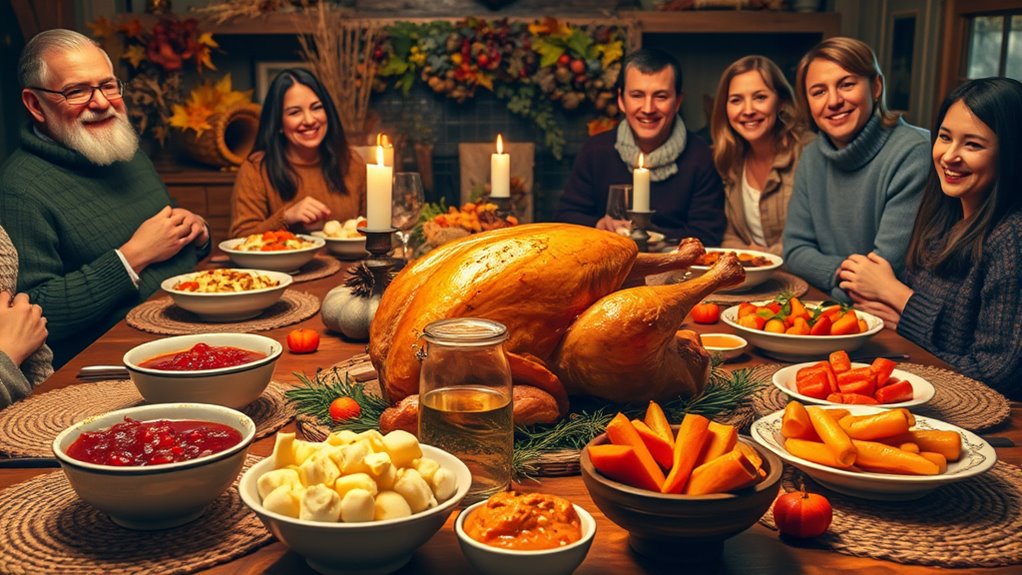
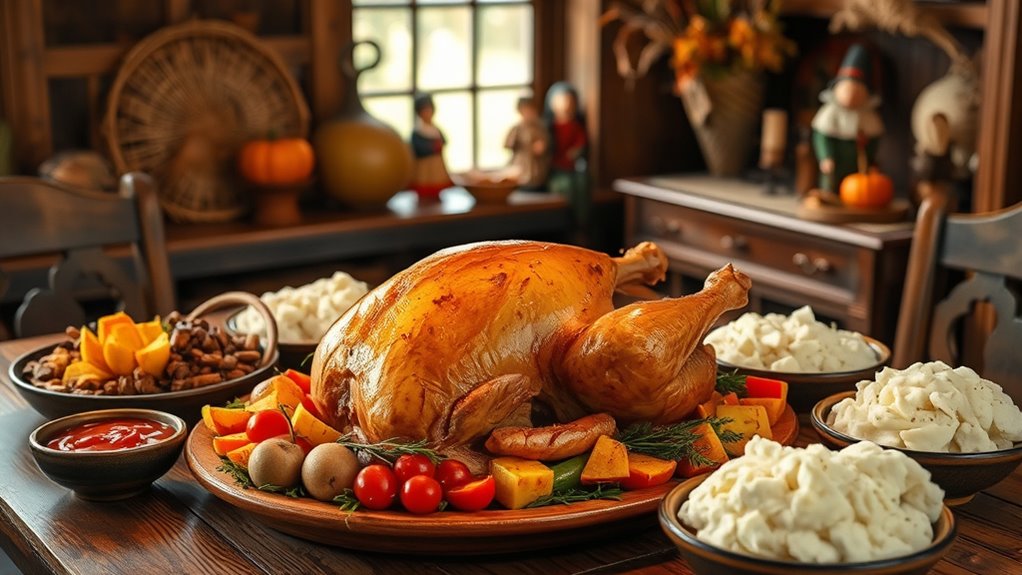
Today, the traditional Thanksgiving meal often includes turkey, stuffing, cranberry sauce, and pumpkin pie, but the core idea remains the same: expressing gratitude. You might participate in a ritual of sharing what you’re thankful for around the dinner table, fostering a sense of unity and appreciation. The holiday also features parades, football games, and volunteering, which all stem from the original spirit of community and giving. The story of the pilgrim feast reminds us why we gather—celebrating the harvest, acknowledging our blessings, and strengthening bonds with those around us. Whether you’re reminiscing about the early days of American history or simply enjoying a hearty meal with loved ones, Thanksgiving continues to honor its roots as a harvest celebration filled with gratitude and shared joy.
Top picks for "history tradition thanksgiv"
Open Amazon search results for this keyword.
As an affiliate, we earn on qualifying purchases.
Frequently Asked Questions
How Did Thanksgiving Become a National Holiday?
You might not realize it, but Thanksgiving became a national holiday largely because of pilgrim stories and the colonial harvest. In 1863, President Lincoln declared it a holiday to unite the country during the Civil War, inspired by these stories and the celebration of a successful harvest. This tradition of giving thanks spread across the nation, turning into the holiday we now celebrate annually with family, feasts, and gratitude.
What Are Some Regional Thanksgiving Food Traditions?
Imagine a table with southern cornbread stuffing beside New England’s cranberry sauce. You’ll find regional dishes like Louisiana’s Cajun-spiced turkey or Minnesota’s wild rice casserole, each reflecting local flavors. Culinary customs vary, from sweet potato pies in the South to pumpkin everything in the Midwest. You embrace these traditions, celebrating diversity through food, making your Thanksgiving uniquely regional while honoring shared gratitude and history.
How Have Thanksgiving Celebrations Changed Over Centuries?
Over centuries, your Thanksgiving celebrations have evolved from simple harvest festivals into elaborate family gatherings. You’ve seen historical evolutions like the shift from religious observances to national holiday festivities, emphasizing gratitude and unity. Modern traditions now include diverse foods, parades, and football games, reflecting changing times and cultures. Despite these changes, the core idea remains: celebrating the harvest and giving thanks with loved ones, just as it did centuries ago.
What Are the Origins of the Thanksgiving Turkey?
Imagine a pilgrim in a time machine, discovering the Thanksgiving feast’s centerpiece: the turkey. You learn it became a symbol of abundance and gratitude, shaping the historical symbolism of the holiday. Originally, wild turkeys were plentiful and easy to hunt, making them a natural choice for the feast. Today, the turkey’s role endures, representing prosperity and unity during your annual Thanksgiving feast.
Are There Any International Equivalents to Thanksgiving?
Yes, there are global festivities similar to Thanksgiving that celebrate gratitude and harvests. For example, China’s Mid-Autumn Festival honors harvests and family unity, while Mexico’s Día de Gracias blends indigenous and Spanish traditions. These cultural parallels emphasize giving thanks and gathering with loved ones. You’ll find that, across different countries, communities come together to recognize abundance and express gratitude, much like the spirit of Thanksgiving.
Conclusion
As you reflect on Thanksgiving’s timeless tapestry, you see how history and heartache have harmonized into heartfelt harvests and hopeful gatherings. The traditions, from thankful thoughts to tasty treats, remind you of the deep, enduring dedication to gratitude. By embracing these enduring customs, you participate in a powerful, perpetual parade of appreciation. Remember, this holiday’s true treasure lies in taking time to thank, treasure, and treasure again the timeless ties that truly make life meaningful.