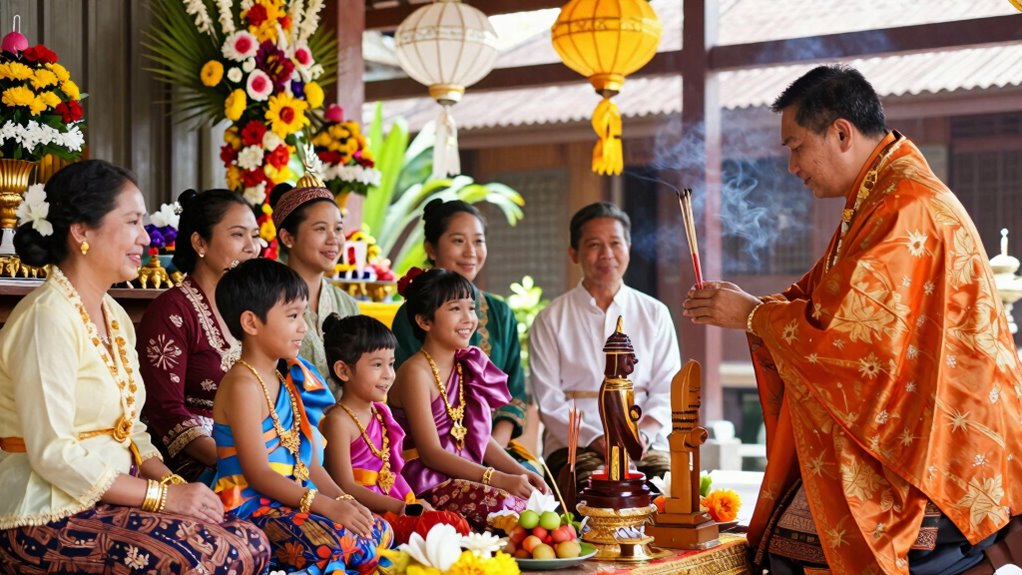

Around the world, naming ceremonies celebrate a child’s arrival with unique traditions that honor their culture and heritage. You might participate in rituals involving water, oil, or blessings for protection, often infused with symbols like flowers or rice. Community involvement is common, strengthening social bonds and shared identity. Colors, clothing, and foods often symbolize good luck and health. Exploring these customs reveals a vibrant tapestry of cultural expressions—there’s much more to discover if you continue exploring.

Get the little things that make your day delivered free with Prime
- Fast, free delivery on millions of items
- Prime Video, Amazon Music and more included
- Member-only deals all year
Key Takeaways
- Naming ceremonies often involve rituals, prayers, or blessings that symbolize the child’s entry into society and cultural identity.
- Traditions may include specific objects, symbols, or foods believed to bring luck, health, or spiritual protection.
- The timing of the ceremony is culturally significant, often aligned with astrology, religious calendars, or community customs.
- Community participation enhances the ceremony, fostering social bonds and reinforcing cultural heritage.
- Different cultures incorporate unique practices like water blessings, sacred threads, or prayers to honor ancestral lineage and beliefs.

Naming ceremonies are meaningful rituals that mark a child’s arrival into the world, celebrating their identity and cultural heritage. When you participate in these traditions, you become part of a rich tapestry of customs that honor history, spiritual beliefs, and community bonds. Each culture has its unique baby naming customs, often rooted in ancient traditions, religious practices, or local customs. These customs often involve specific rituals, songs, or prayers that symbolize the child’s new role within their family and society. For example, in some cultures, a naming ceremony might involve blessing the baby with water or oil, signifying purity and protection. In others, parents might choose a name based on the child’s birth date, astrological sign, or ancestral lineage, emphasizing the importance of cultural naming symbols that connect the child to their heritage.
You may notice that many naming ceremonies incorporate symbolic objects or actions that carry deep meaning. In Hindu traditions, for example, a baby might be given a name during a sacred thread ceremony, with specific symbols like flowers or rice that represent abundance and auspiciousness. Similarly, Jewish baby naming customs often involve a formal prayer called a “Brit Milah” or a naming during a Torah reading, emphasizing spiritual identity. These rituals serve both as a celebration and as a spiritual safeguard, embedding the child’s name with blessings and good fortune. Additionally, some cultures incorporate cultural symbols such as specific colors, clothing, or even foods that are believed to bring luck or health. The timing and community involvement in these ceremonies often help ensure that they uphold their cultural significance and strengthen social bonds. Moreover, incorporating traditional music and local customs can enrich the experience, fostering a deeper connection to the child’s cultural roots.
As an affiliate, we earn on qualifying purchases.
Frequently Asked Questions
How Do Naming Ceremonies Differ Between Urban and Rural Communities?
You’ll notice that urban rituals often involve formal ceremonies, with more emphasis on social and cultural symbolism, while rural customs tend to be simpler, reflecting community bonds and traditional practices. In cities, ceremonies might include elaborate celebrations, speeches, or official recognition, whereas rural communities focus on intimate gatherings and ancestral rituals. The setting influences the tone, with urban events being more public and rural ones more personal and rooted in local customs.
Are Naming Ceremonies Typically Religious or Secular Across Cultures?
Naming ceremonies are often a heart-stopping blend of cultural symbolism and ritual significance, and whether they’re religious or secular varies wildly across cultures. You might witness a ceremony bursting with sacred prayers or one celebrating pure secular joy. These traditions serve as powerful rites of passage, marking a child’s identity and community ties—either spiritually divine or joyfully human—creating lifelong bonds that are deeply meaningful, regardless of religious context.
What Are Common Gifts Given During Naming Ceremonies Worldwide?
During naming ceremonies worldwide, you’ll find that traditional gift items are common, reflecting cultural gift customs. These often include keepsakes like jewelry, engraved items, or symbolic objects representing good fortune and health. You might also give monetary gifts or practical items for the child’s future. These gifts honor the significance of the occasion, showing love and blessings, and they vary depending on cultural traditions and local customs.
How Do Naming Traditions Evolve With Modern Influences?
Ever wonder how naming traditions change over time? You’ll see cultural influences blending with modern adaptations, making ceremonies more inclusive and personalized. Today, families incorporate digital elements or eco-friendly practices, reflecting societal shifts. These evolutions honor heritage while embracing new ideas. As traditions adapt, they become more meaningful and relevant to contemporary life, ensuring that cultural identity remains strong even as customs grow and change with the world around you.
Are There Specific Age Requirements for Participating in Naming Ceremonies?
Most naming ceremonies don’t have strict age requirements, as their cultural significance varies widely. Some cultures, like Jewish traditions, perform the naming shortly after birth, while others may hold the event later in childhood or even adulthood, reflecting different ritual variations. You’ll find that the age depends on the community’s customs and the ceremony’s purpose, emphasizing the importance of cultural significance over specific age constraints.
As an affiliate, we earn on qualifying purchases.
Conclusion
No matter where you go, naming ceremonies are like colorful threads woven into the fabric of each culture’s story. They celebrate new beginnings and honor traditions that connect generations. Embrace these vibrant customs, and you’ll see how each name is more than just a word—it’s a bridge that links hearts and histories. Just like a tapestry, these ceremonies create a beautiful, enduring picture of identity and belonging across the world.
cultural baby naming certificate
As an affiliate, we earn on qualifying purchases.
As an affiliate, we earn on qualifying purchases.
As an affiliate, we earn on qualifying purchases.
Halloween Picks
halloween
As an affiliate, we earn on qualifying purchases.