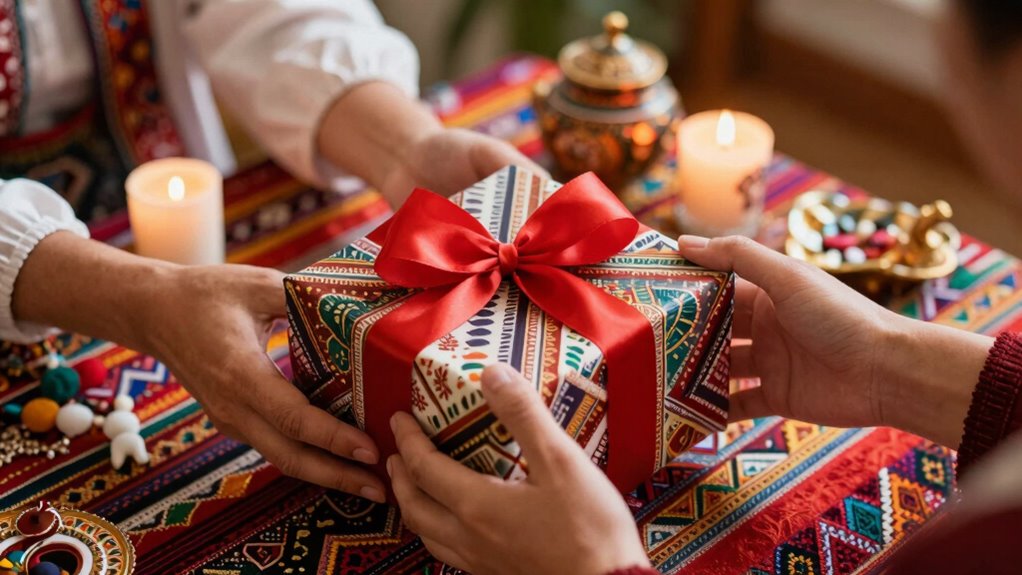

Cultural gift-giving customs vary widely, reflecting different values and social norms. You should be aware that in East Asian cultures, presenting gifts with both hands shows respect, while Western traditions focus on wrapping to build anticipation. Symbols like clocks or white items can carry negative meanings in some regions, so choosing the right gift matters. Proper presentation and knowing local etiquette can strengthen relationships and avoid misunderstandings. If you keep exploring, you’ll discover even more ways to navigate these meaningful exchanges.
Key Takeaways
- Gift presentation methods, such as giving with both hands in East Asia, show respect and cultural awareness.
- Regional symbols like clocks in China or red in India carry specific meanings, influencing gift appropriateness.
- Certain gifts, like knives or white items, may symbolize negative messages or mourning in some cultures.
- Proper etiquette, including how gifts are received and opened, varies and enhances respectful exchanges.
- Recognizing cultural taboos prevents offense and fosters positive relationships through thoughtful gift choices.
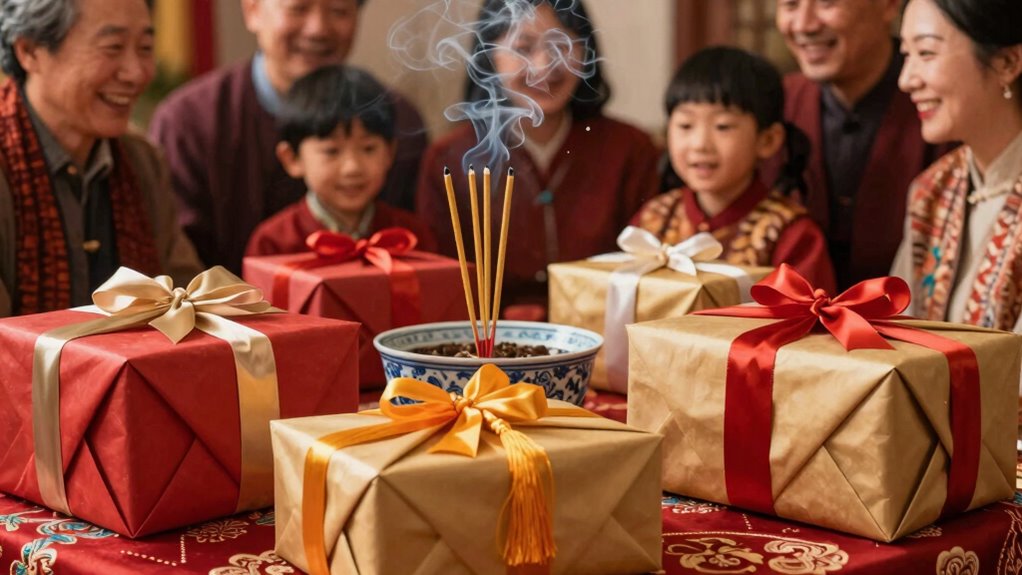
Gift-giving customs vary widely across cultures, reflecting deep-rooted values, beliefs, and social norms. When you participate in gift exchanges around the world, understanding traditional gift etiquette becomes essential. Each culture has its own set of unwritten rules about what’s appropriate, how to present gifts, and when to give them. For example, in many East Asian countries, it’s customary to present gifts with both hands as a sign of respect. In contrast, Western cultures often emphasize the element of surprise, with gifts wrapped beautifully to enhance anticipation. Familiarizing yourself with these customs shows thoughtfulness and respect, helping you avoid unintentional faux pas. Additionally, the contrast ratio of a gift can sometimes symbolize the balance or harmony valued within a culture, influencing gift choices and presentation. Regional gift symbolism adds another layer of meaning to gift-giving. It’s not just about the gift itself but what it represents within that specific culture. In China, giving a clock can symbolize the end of a relationship or bad luck because of its association with the passage of time and death. Conversely, in Western societies, a clock might simply be a practical and appreciated gift. Similarly, in Japan, the color white is associated with mourning, so giving white flowers or items might carry unintended negative connotations unless carefully chosen. In India, certain colors like red are considered auspicious and symbolize good fortune, making them popular choices for gifts during festivals and weddings. Understanding regional gift symbolism helps you select appropriate presents that convey the right message. For example, giving a set of knives in many cultures can symbolize cutting ties or ending a relationship, so it’s usually avoided unless you’re aware of the recipient’s cultural context. Conversely, in some Middle Eastern traditions, giving fruits or sweets can symbolize abundance and hospitality, making these thoughtful gifts. Recognizing the significance behind these symbols ensures your gifts are respectful and culturally sensitive, fostering positive relationships rather than misunderstandings. In many cultures, the way you present and receive gifts matters just as much as the gift itself. You might need to be mindful of not only what you give but how you give it—such as avoiding direct eye contact or not opening the gift immediately if that’s considered polite. Being aware of cultural gift-giving etiquette can help you navigate these customs more smoothly and avoid common pitfalls. For instance, understanding the importance of Regional gift symbolism allows you to select presents that resonate positively within specific cultural contexts. Moreover, paying attention to cultural taboos related to gift-giving can prevent unintentional offenses that might harm relationships. By paying attention to traditional gift etiquette and regional gift symbolism, you demonstrate your awareness and appreciation of the recipient’s culture. This effort can turn a simple exchange into a meaningful gesture, strengthening bonds and showing your genuine respect for their customs. Ultimately, understanding these nuances allows you to navigate the rich diversity of global gift-giving traditions with confidence and sensitivity.

BHNACIER William Morris Wrapping Paper 12 Sheets William Morris Greenery Floral Vines Gift Wrap Paper Vintage Floral Greenery Art Papers for DIY Crafts Birthday Gift Packing Favors, 20×27 Inch
- Pattern Theme: William Morris Floral Greenery Design
- Sheet Quantity: 12 sheets with 6 designs
- Sheet Size: 20 x 27 inches each
As an affiliate, we earn on qualifying purchases.
As an affiliate, we earn on qualifying purchases.
Frequently Asked Questions
How Do Gift-Giving Customs Vary Between Urban and Rural Areas?
In urban areas, gift-giving follows urban etiquette, emphasizing politeness, punctuality, and often, trendy or practical items. In contrast, rural rituals focus on meaningful gestures, community bonds, and traditional symbols, with gifts often reflecting local customs. You’ll notice that urban settings prioritize modernity and efficiency, while rural areas value personal connections and cultural significance. Understanding these differences helps you navigate gift exchanges respectfully, whether in bustling cities or close-knit countryside communities.
Are There Specific Gift-Giving Traditions for Different Age Groups?
You’ll find that age-specific etiquette in gift-giving can be as strict as a royal decree, with generational preferences shaping what’s appropriate. For kids, toys and sweets reign supreme, while elders appreciate practical or symbolic items. Teens might prefer trendy gadgets, whereas seniors often cherish meaningful keepsakes. Your thoughtful choices show respect for these traditions, ensuring your gifts resonate deeply, no matter the recipient’s age—making your gesture truly unforgettable.
How Have Modern Influences Changed Traditional Gift-Giving Practices?
Modern influences have transformed traditional gift-giving practices through contemporary trends and digital gifting. You now often send e-cards, digital gift cards, or instant messages, making giving more convenient and immediate. Social media also shapes what you choose to gift, reflecting current interests. These changes emphasize practicality and immediacy, blending tradition with technology, and allowing you to connect across distances more easily while still honoring cultural significance.
What Are the Most Common Mistakes to Avoid in Cultural Gift-Giving?
You should avoid personalization pitfalls by not overdoing it or choosing inappropriate items that don’t match the recipient’s culture. Timing errors, like giving gifts at the wrong moment, can also offend. Be mindful of local customs around gift-giving, such as wrapping or whether to open presents immediately. Staying respectful and observant helps you avoid these mistakes, ensuring your gesture is appreciated rather than misunderstood.
How Do Gift-Giving Customs Differ Between Religious and Secular Contexts?
In religious contexts, gift-giving often involves religious symbolism, like symbols or items that hold spiritual significance, emphasizing faith and devotion. Conversely, secular gestures focus on personal connection or social etiquette, without religious meaning. You should be mindful of these differences, ensuring your gift respects the recipient’s beliefs and customs. This awareness helps you to avoid misunderstandings and shows respect for both religious and secular gift-giving traditions.
respectful gift presentation with both hands
As an affiliate, we earn on qualifying purchases.
As an affiliate, we earn on qualifying purchases.
Conclusion
Like a well-tended garden, gift-giving blooms with meaning across cultures, each gesture a seed planted with intention. When you embrace these traditions, you nurture understanding and respect, weaving threads of connection that span worlds. Remember, every gift is a river flowing from your heart, shaping the landscape of relationships. In this dance of giving, you become a bridge—faithful and enduring—guiding others through the timeless rhythm of shared symbols and sacred customs.

60Pcs Hispanic Heritage Month Ballpoint Pens Bulk Inspirational Cards
- Complete Hispanic Heritage Month Set: 30 pens in 12 styles and 36 bookmarks
- Vibrant Cultural Designs: Colorful patterns representing Hispanic cultures
- High-Quality Materials: Durable plastic pens and sturdy paper cards
As an affiliate, we earn on qualifying purchases.
As an affiliate, we earn on qualifying purchases.

How to Be a Gentleman Revised and Expanded: A Timely Guide to Timeless Manners (A Guide to Etiquette and Skills for a Successful Life) A Perfect Gift for Men (The GentleManners Series)
As an affiliate, we earn on qualifying purchases.
As an affiliate, we earn on qualifying purchases.