
During the winter solstice, many cultures celebrate with traditions that honor the longest night and the return of light. You might light candles, fires, or lanterns to symbolize renewal, or decorate with evergreen branches representing resilience. Ancient festivals like Yule and Saturnalia included feasts, bonfires, and gift-giving, emphasizing hope and community. These customs reflect the universal desire to turn darkness into light, and if you keep exploring, you’ll discover even more inspiring ways people celebrate this powerful moment.
Key Takeaways
- Many cultures light candles, fires, or lanterns to symbolize the sun’s rebirth and bring hope during the longest night.
- Ancient festivals like Yule and Saturnalia involved feasts, bonfires, and gift-giving to celebrate the return of longer days.
- Decoratings with evergreen branches symbolize resilience and everlasting life, emphasizing renewal and vitality.
- Rituals often honor solar deities, aiming to influence the sun’s return and ensure future abundance.
- Modern celebrations incorporate these traditions, emphasizing community, hope, and the triumph of light over darkness.

Have you ever wondered why communities worldwide mark the shortest day of the year with special celebrations? It’s because the winter solstice represents a turning point in the cycle of the year, a moment when the sun is at its lowest point in the sky and daylight is at its shortest. Throughout history, people have observed this day with various customs rooted in solar symbolism and ancient rituals. These traditions reflect a universal desire to honor the return of longer days, celebrating hope and renewal amid the darkness. Many cultures saw the solstice as a powerful reminder of nature’s cycles, and they crafted rituals to harness the sun’s energy, ensuring its return. These rituals often involved lighting fires, candles, or lanterns, symbolizing the sun’s rebirth and the promise of warmth and growth. By doing so, ancient civilizations believed they could influence the sun’s return and secure abundance for the coming months. These practices weren’t random; they were deeply symbolic acts rooted in the understanding that the sun’s strength was essential for survival, growth, and prosperity. For example, in ancient Rome, the festival of Saturnalia included feasts and gift-giving, celebrating the lengthening of days. Similarly, the Norse observed Yule, a festival marked by feasts, bonfires, and the burning of the Yule log, all designed to honor the sun and encourage its return. These rituals often involved community gatherings, emphasizing unity and shared hope during the darkest days of winter. The use of light was central in many of these traditions because it represented life, renewal, and the triumph of light over darkness. In some cultures, people would decorate their homes with evergreen branches, symbolizing everlasting life and resilience through winter’s hardships. Others created intricate rituals to honor solar deities, acknowledging the sun’s crucial role in sustaining life. These ancient rituals, although varied in form, share a common theme: they serve as a reminder that the dark days are temporary, and that sunlight—and with it, vitality—will return. Additionally, the significance of solar symbolism is evident in many of these customs, emphasizing the importance of the sun in human culture. Today, many of these traditions continue in modern celebrations, like Christmas and New Year’s festivities, which incorporate elements of ancient solar symbolism. Understanding the origins of these customs helps us see how our ancestors connected with nature’s rhythms and sought to bring light into the darkness, both literally and metaphorically. As you observe or participate in winter solstice celebrations, remember that you’re part of a long-standing tradition of honoring the sun’s return—a powerful symbol of hope, resilience, and renewal in the face of darkness.

Winter Candle Set, Candles for Home Scented, 4 Pack Soy Candles Gifts for Women Men, Winter Scents of Gingerbread Cookies/Apple & Cinnamon/Coffee Latte/Pine & Cedarwood
【Winter Ambiance Collector】 Immerse yourself in winter's finest moments: Crisp pine and cedar evoke a post-snow forest stroll;…
As an affiliate, we earn on qualifying purchases.
As an affiliate, we earn on qualifying purchases.
Frequently Asked Questions
How Do Different Cultures Interpret the Significance of the Solstice?
Different cultures interpret the solstice through celestial symbolism, viewing it as a moment of spiritual awakening and renewal. You might see it as a time to honor the return of light or a shift toward new beginnings. These traditions often emphasize the celestial symbolism of darkness giving way to light, inspiring a spiritual awakening that connects you with nature’s cycles. Embrace these diverse perspectives to deepen your understanding of this powerful event.
What Are Some Modern Adaptations of Ancient Solstice Rituals?
Ever wonder how ancient traditions evolve? Today, you can embrace modern adaptations of solar-inspired rituals by hosting eco-friendly celebrations that honor the solstice. Think about lighting candles made from natural materials, planting trees to symbolize renewal, or gathering with friends for a mindful, sustainable feast. These acts connect you to the Earth’s cycles while promoting environmental awareness, making your winter festivities meaningful and rooted in tradition.
How Does the Solstice Influence Agricultural Practices Today?
The solstice influences your agricultural practices today by guiding timing for solar farming and crop rotation. You leverage solar energy to optimize crop growth during the shortest days, ensuring efficient use of sunlight. By aligning planting schedules with the solstice, you improve crop rotation, maintaining soil health and productivity. This ancient celestial event continues to shape sustainable farming methods, helping you adapt to changing seasons and maximize harvests effectively.
Are There Specific Foods Traditionally Associated With Winter Solstice Celebrations?
You’ll find that traditional winter solstice foods are as rich and diverse as the season itself. Think of seasonal harvest favorites like root vegetables, winter greens, and hearty grains, often prepared as symbolic foods representing rebirth and light. In many cultures, dishes like roasted meats, sweet treats, and special breads honor this longest night, making your celebration a feast that celebrates the renewal of life and hope amid the coldest days.
How Can Individuals Personalize Their Winter Solstice Observances?
You can personalize your winter solstice observances by creating personal ritual ideas that resonate with you, like lighting a candle to symbolize hope. Engage in DIY celebration crafts, such as making sun-shaped ornaments or decorating with seasonal symbols. Incorporate meaningful traditions, reflect on your intentions, and invite loved ones to join in. This hands-on approach makes your celebration unique, memorable, and deeply connected to your inner journey during the longest night.

Duraflame 6-Pack Indoor/Outdoor Logs for Fireplace & Fire Pit, 3-Hour Burn, 4.5lb Each
Long-Lasting, Robust Flames for Up to 3 Hours Experience warm, glowing ambiance with Duraflame 4.5 lb firelogs designed…
As an affiliate, we earn on qualifying purchases.
As an affiliate, we earn on qualifying purchases.
Conclusion
As you celebrate the winter solstice, feel the crisp air embrace you and see the flickering glow of candles illuminating the longest night. Embrace the warmth of shared traditions and the promise of returning light. With each fireside gathering and festive song, you participate in an age-old dance with the stars, welcoming the dawn after the darkest hours. Let this moment remind you that even in the coldest night, hope and renewal are always near.
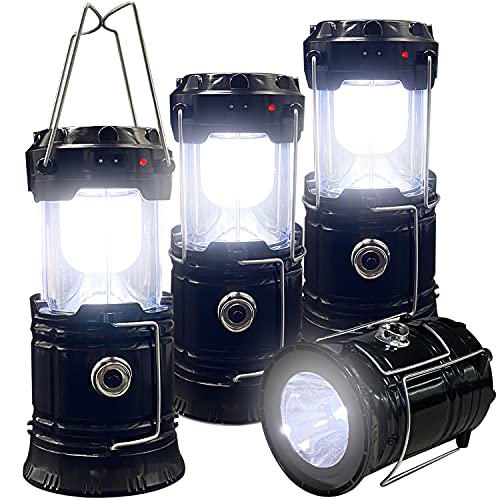
Collapsible Portable LED Camping Lantern XTAUTO Lightweight Waterproof Solar USB Rechargeable LED Flashlight Survival Kits for Indoor Outdoor Home Emergency Light Power Outages Hiking Hurricane 4-Pack
【360° Lighting Coverage】Adopts 6+1 high-intensity LED chips, energy efficient/with wide range of visibility. Doubles as both a lantern…
As an affiliate, we earn on qualifying purchases.
As an affiliate, we earn on qualifying purchases.

Luxdesc Artificial Green Pine Needles Branches Fake Small Pine Twigs Stems Evergreen Picks 30 Branch for Christmas Greenery Arrangements Wreaths Holiday Tree Decorations
【PINE BRANCES SIZE】: Come with 30 branch pine needles stems,this artificial pine needle measures 4.1 x 3.0 inches…
As an affiliate, we earn on qualifying purchases.
As an affiliate, we earn on qualifying purchases.